


Table of Contents
- What High Grit Coffee Blends Actually Are
- Caffeine Content in High Grit Coffee Blends
- Does Dark Roast Coffee Have More Caffeine
- Caffeine Content by Coffee Brewing Method
- Factors Affecting Caffeine Content in Coffee
- Practical Caffeine Comparison: Dose and Preparation
- Caffeine Safety and Sustained Energy for Long Shifts
- Frequently Asked Questions
Last Updated: October 9, 2026
What High Grit Coffee Blends Actually Are
Caffeine high grit coffee blends are formulated to deliver strong, sustained energy for demanding work environments. The term refers to the blend's composition and preparation method, designed to extract maximum caffeine and flavor intensity.
At Blacktop Life Coffee Co., we've engineered high grit blends to fuel long shifts and intense labor: start with beans that naturally contain more caffeine, blend them strategically, and prepare them to release that caffeine quickly and completely.
What distinguishes a high grit blend is deliberate composition. Most commercial blends aim for balance and broad appeal; high grit blends prioritize one outcome: sustained energy delivery.
In blue-collar and trucking communities, "high grit" is shorthand for coffee that doesn't compromise, made by someone who understands what a long haul or construction site demands.
Caffeine Content in High Grit Coffee Blends
Caffeine content in high grit coffee blends varies by bean selection, roast level, and brewing method. Understanding these variables helps you choose the right blend and prepare it to maximize extraction.
Arabica Versus Robusta: The Caffeine Difference
Robusta beans contain roughly twice the caffeine of Arabica by weight, the single most important factor in a blend's total caffeine content.
High grit blends use this difference: a blend with Robusta, as a primary bean or significant percentage, delivers more caffeine per cup than pure Arabica.
The trade-off is flavor: Robusta produces earthier, fuller-bodied cups with more bitterness, while Arabica offers more complexity and acidity. The Breakfast Blend + combines Robusta for extra caffeine with Arabica to maintain approachability.

How Much Caffeine Per Cup
Caffeine per cup depends on serving size, brew method, and dose. A standard eight-ounce cup of ground coffee typically contains 80 to 120 milligrams.
For high grit blends, the range shifts upward: a Robusta-heavy blend can deliver 120 to 150 milligrams per eight-ounce serving, depending on how much ground coffee you use and how long you brew.
A standard coffee scoop holds about 0.35 ounces, and most guides recommend one scoop per six ounces of water; one and a half scoops per six ounces increases caffeine yield significantly.
Does Dark Roast Coffee Have More Caffeine
Dark roast coffee does not contain significantly more caffeine than light or medium roasts. Roasting causes beans to lose mass through moisture and gas release, but caffeine is stable at roasting temperatures, so a dark roast bean has slightly less caffeine by weight than a light roast because it has lost more mass overall.
Dark roast often tastes stronger and bolder, creating the impression of higher caffeine, because the darker profile produces more bitter compounds and deeper flavors. For high grit blends, dark roast is chosen for flavor and body, not caffeine advantage.
Roast Level and Bean Density
Roasting affects how beans look, taste, and brew, but not caffeine per bean.
This density change affects grinding and extraction: dark roast grounds may extract slightly faster in some methods because the bean structure is more open, meaning faster caffeine release, not higher total caffeine.
Our Italian Roast is a dark roast blend of specialty-grade Arabica and Robusta delivering bold flavor and body. Its caffeine comes from the Robusta percentage, not the roast level; the roast complements the blend's intended use, a strong, no-nonsense cup for serious work.

Caffeine Content by Coffee Brewing Method
Different brewing methods extract caffeine at different rates and degrees, affecting both the total caffeine in your cup and how quickly it enters your system.
Drip and pour-over extract caffeine efficiently through hot water contact over several minutes, yielding 95 to 120 milligrams per eight-ounce cup. French press extracts more because grounds stay in contact longer, delivering 80 to 135 milligrams. Cold brew, brewed 12 to 24 hours, extracts the most: 150 to 240 milligrams per eight-ounce serving.
Espresso is concentrated but delivers less total caffeine per serving than drip because the serving is much smaller: roughly 75 milligrams per single shot, 150 per double. Concentration is higher; total volume is lower.
Extraction Efficiency Across Methods
Extraction efficiency describes how much caffeine moves from grounds into brewed coffee. Hot water extracts faster, but cold water extracts more completely given time.
Cold brew takes longer but keeps extracting for hours: a 12-hour steep extracts more caffeine than a 6-hour one because cold water slowly dissolves caffeine throughout.
Grind size affects extraction speed: finer grounds increase surface area and speed water contact, but a very fine grind in a drip brewer can over-extract and turn bitter.
Factors Affecting Caffeine Content in Coffee
Multiple variables influence final caffeine content. Understanding them lets you adjust your preparation to meet your energy needs.
Grind Size, Dose, and Water Temperature
Grind size determines how quickly water contacts the grounds: finer grinds increase surface area and speed extraction, coarser grinds slow it. Medium is standard for drip, coarse for cold brew, and very fine for espresso pressure and extraction.
Dose directly affects caffeine yield: more grounds mean more caffeine, assuming you brew long enough.
Water temperature affects extraction speed: hot water at 195 to 205 degrees Fahrenheit extracts caffeine quickly and completely, while cooler water extracts more slowly, which is why cold brew takes hours and hot brewing takes minutes.
Blend Composition and Batch Variation
The beans determine baseline caffeine content: a high-Robusta blend delivers more than pure Arabica, all else equal. Our Max Caf Blend is formulated with high-caffeine Robusta varieties to maximize energy delivery.

Batch variation occurs naturally: beans from the same farm in different harvest years contain slightly different caffeine levels based on growing conditions, altitude, and processing.
Roast profile influences caffeine slightly: a darker roast bean has lost more mass, so the same scoop contains fewer beans and slightly less caffeine than light roast grounds.
Practical Caffeine Comparison: Dose and Preparation
Understanding caffeine content matters most when applied to your actual routine. Here's how different doses and methods deliver caffeine in real-world scenarios.
| Brewing Method | Dose | Brew Time | Caffeine Yield |
|---|---|---|---|
| Drip coffee | 1 scoop per 6 oz water | 4-5 minutes | 95-110 mg per 8 oz |
| Drip coffee (strong) | 1.5 scoops per 6 oz water | 4-5 minutes | 140-160 mg per 8 oz |
| French press | 1 scoop per 4 oz water | 4 minutes | 100-135 mg per 8 oz |
| Cold brew | 1 scoop per 5 oz water | 12-24 hours | 150-200 mg per 8 oz |
| Espresso | Double shot | 25-30 seconds | 150 mg per shot |
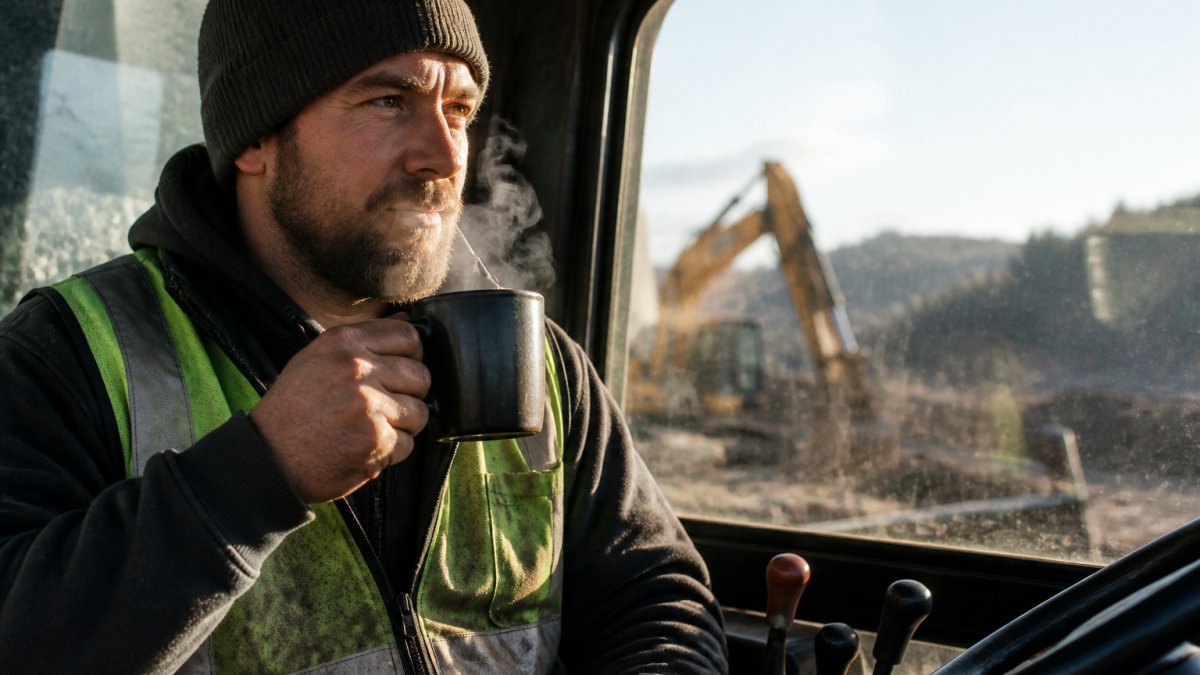
For a long shift fueled by caffeine high grit coffee, most working professionals benefit from 150 to 200 milligrams spread across the day.
Blacktop Life Coffee Co. High Grit Blends
Our high grit blends deliver reliable caffeine across common brewing methods. The Breakfast Blend + combines Robusta for caffeine with Arabica for drinkability, suitable for standard drip and stronger preparations.
For drivers and laborers on demanding schedules, cold brew made from our Max Caf Blend the night before provides consistent energy all day.
The Italian Roast, our darkest blend, delivers bold flavor and body many working professionals prefer. It contains the same caffeine as our medium roasts at the same dose and method; the dark roast was chosen for flavor, not caffeine.
Caffeine Safety and Sustained Energy for Long Shifts
Caffeine sensitivity varies widely. Most healthy adults tolerate up to 400 milligrams daily without adverse effects.
A practical approach is 100 to 150 milligrams every three to four hours rather than 300 at once.
Individual tolerance matters: some metabolize caffeine quickly and feel effects wear off within two hours, others for four to six.
Hydration is important: caffeine is a mild diuretic, and maintaining water intake prevents dehydration, which can amplify headaches or jitteriness.
Frequently Asked Questions
How much caffeine is in a cup of high grit coffee?
Caffeine content in high grit coffee blends typically ranges from 95 to 200 milligrams per eight-ounce cup, depending on the bean variety, roast level, and brewing method. High grit blends emphasizing Robusta beans deliver higher caffeine per serving because Robusta naturally contains roughly twice the caffeine of Arabica. Brewing method matters too: espresso shots concentrate caffeine into a smaller volume, while cold brew extracts caffeine over extended steeping time, yielding 150-240 milligrams per eight-ounce serving.
What affects the caffeine content of a coffee blend?
Five primary factors shape caffeine yield: bean variety (Robusta has more than Arabica), roast level (darker roasts lose some caffeine mass during roasting but remain high-caffeine if Robusta-forward), grind size (finer grinds increase extraction), brew time and water temperature (hotter water and longer contact extract more caffeine), and dose (more ground coffee per cup means more total caffeine). Blend composition, the ratio of Arabica to Robusta and the origin mix, creates batch variation, so identical brewing of two different blends can yield measurably different caffeine levels.
Does stronger-tasting coffee have more caffeine?
Flavor strength and caffeine content are separate properties. A bold, bitter cup signals darker roasting or high-tannin beans, but roasting actually reduces total caffeine mass slightly through weight loss during the process. What creates a strong flavor is often roast depth and bean origin, not caffeine level. A smooth, lightly roasted Robusta can contain more caffeine than a bold, dark-roasted Arabica blend. To guarantee high caffeine, check the bean variety and blend composition, not just how intense the taste feels.
Does roast level change how much caffeine coffee contains?
Roasting does reduce caffeine, but only marginally. During roasting, beans lose water and mass, so a dark roast bean contains slightly less caffeine by weight than the same green coffee before roasting. However, the difference is small, roughly 5-10% less caffeine in a dark roast compared to a light roast of identical beans. The bigger impact comes from what beans you roast: a dark-roasted Robusta still delivers far more caffeine than a light-roasted Arabica because Robusta's inherent caffeine content outweighs the minor loss from roasting.
How does brewing method affect caffeine in a cup?
Brewing method controls extraction efficiency, how much caffeine transfers from grounds to water. Espresso uses high pressure and brief contact (25-30 seconds), yielding 63-75 milligrams per shot in a concentrated form. Drip coffee and pour-over extract for 4-6 minutes at moderate temperature, delivering 95-200 milligrams per eight-ounce cup. French press steeps grounds for 4 minutes, extracting 80-135 milligrams. Cold brew, steeped 12-24 hours, pulls 150-240 milligrams per serving because extended contact time maximizes extraction despite cool water temperature. Higher water temperature and longer brew time both increase caffeine yield.
Why should I choose a high grit coffee blend over standard truck stop coffee?
High grit blends are formulated specifically for sustained energy on long shifts. They typically use higher-caffeine bean varieties, particularly Robusta, and are roasted to deliver consistent flavor and caffeine yield across batches. Standard truck stop coffee often relies on older inventory and inconsistent sourcing, meaning caffeine content varies unpredictably. High grit blends from dedicated roasters like Blacktop Life Coffee Co. source beans from sustainable farms and control the roast profile to ensure every bag delivers the energy kick you need for a 14-hour haul or a full construction day, not just a temporary jolt.
What's the difference between a high caffeine blend and a single-origin Robusta?
A high caffeine blend mixes Robusta with Arabica or other origins to balance caffeine content with flavor complexity and smoothness. Blacktop Life Coffee Co.'s Max Caf Blend, for example, combines Tanzania and India Robusta to deliver high caffeine while maintaining drinkability across multiple cups. A single-origin Robusta, like our West Java offering, showcases one region's flavor profile and naturally high caffeine but may taste more intense or one-dimensional. Blends offer flexibility: you get the caffeine boost you need without sacrificing taste during a long shift.