


Table of Contents
- Why a Coffee Subscription for Nomadic Workers Beats Truck Stop Coffee
- What to Look For in a Coffee Subscription for Digital Nomads
- Coffee Subscription with Flexible Delivery: Pause, Skip, and Change Address
- Portable Coffee Brewing Gear for Travel: What Works in a Van, Cab, or Hotel
- How Much Coffee Should a Remote Worker Order Each Month?
- Top Picks: Coffee Subscriptions and Gear for Nomadic Workers
- Making It Work on the Road: Practical Tips for Mobile Coffee
- Final Thoughts
- Frequently Asked Questions
Last Updated: October 16, 2026
Why a Coffee Subscription for Nomadic Workers Beats Truck Stop Coffee
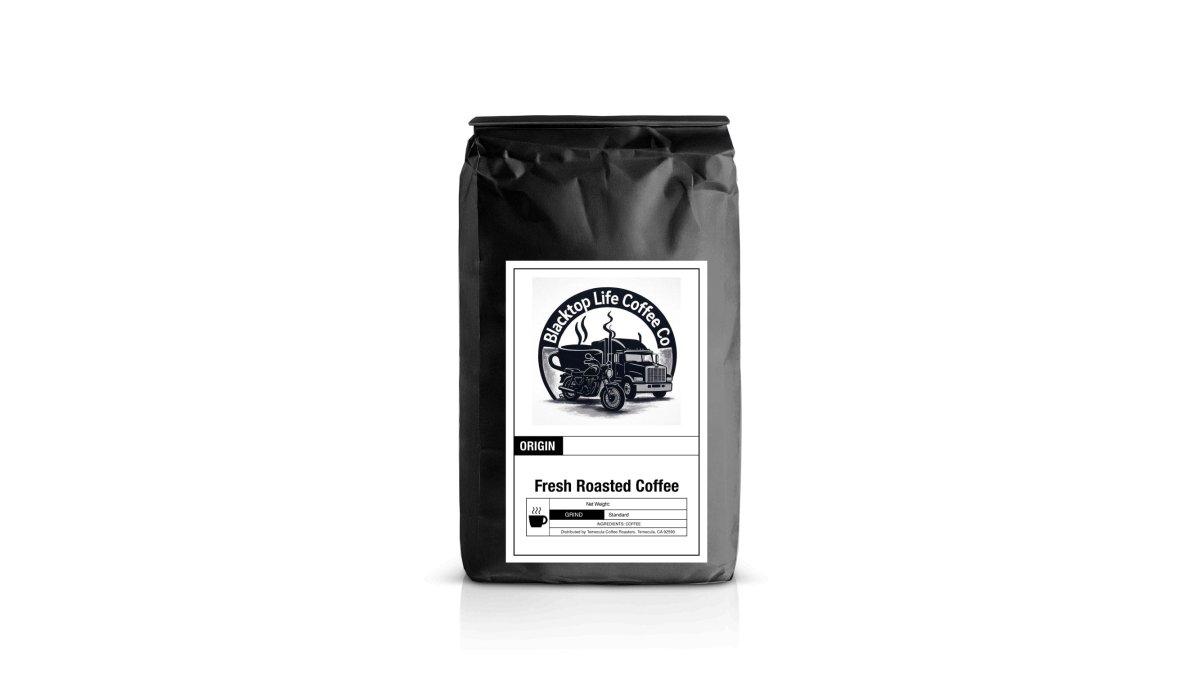
A coffee subscription for nomadic workers puts fresh-roasted beans in your cab, van, or hotel room on a predictable schedule, no matter where the road takes you. Blacktop Life Coffee Co., founded by a long-haul truck driver, delivers premium, highway-inspired coffee blends specifically crafted to fuel the grit and determination of hardworking laborers and blue-collar workers.
Truck stop coffee is convenient, and that's about all it is. Beans sit in a hopper for days, the roast date is a mystery, and paying per cup adds up fast over a 14-hour haul.
A subscription flips that math. You order once, it shows up, and you brew on your own terms. The Specialty Coffee Association's guidance on freshness backs this up: coffee tastes best within weeks of roasting, not months.
Below, we'll show you how to pick a plan that follows you across state lines, plus what gear survives life on the road.
What to Look For in a Coffee Subscription for Digital Nomads
The best coffee subscription for digital nomads offers flexible delivery and the ability to change your shipping address without canceling.
Here's what matters most, in order:
- Roast date, not just a "best by" stamp. Fresh-roasted coffee loses its edge fast, so a printed roast date tells you what you're actually getting.
- Address flexibility. If you can't redirect a shipment, the plan doesn't work for a mobile lifestyle.
- Grind options. Whole bean holds flavor longer; ground coffee is easier when you're brewing in a moving vehicle.
- Shipping coverage. Confirm the service reaches the routes and regions you actually travel.
Coffee Subscription with Flexible Delivery: Pause, Skip, and Change Address
A coffee subscription with flexible delivery lets you pause, skip, or redirect a shipment from your phone, ideally a few days before it ships.
Most services handle this through an account dashboard: log in, pick your next ship date, done. The catch is timing, change requests usually need to land before the order enters processing, and that window varies by provider.
What most guides miss is how often nomads actually need this feature. If you're moving every few weeks, you'll use the pause and skip tools constantly, not once a year.
The five levers that actually matter for a moving address
- Address change mid-cycle. Can you edit the shipping address after the order is placed but before it ships? Some services lock the address at checkout; others let you edit until the label is generated.
- Delivery hold. A hold parks your next shipment for a set window (often 1-3 months) so you don't have to cancel and lose your plan pricing or grandfathered rate.
- Skip vs. pause. Skipping pushes one shipment; pausing suspends the whole subscription. If you're between leases, pause; if you're just out of town for a week, skip.
- Carrier intercept. Once a package is in transit, a redirect through the carrier (USPS Package Intercept, UPS My Choice, FedEx Delivery Manager) can reroute it, but only if the service ships via a carrier that supports it, and there's usually a fee.
- Pickup and locker options. Holding at a UPS Store, FedEx Office, or Amazon Locker buys you days of buffer if you're mid-move and don't have a stable address yet.
International shipping, customs, and the address you don't have yet
- Delivery coverage. Many roasters ship domestically only, or to a short list of countries. Check the shipping page for the countries you'll actually be in, not the ones you're in today.
- Customs and import charges. Coffee is a food product, and some countries assess duties, VAT, or agricultural inspection fees on incoming food shipments. The recipient, you, usually pays. A $20 bag can arrive with a $15 customs bill attached.
- Transit time vs. roast date. International shipments can sit in customs for days or weeks. A coffee roasted two days before shipping may be four weeks old by the time you open it. For cross-border plans, prioritize roasters who roast to order and ship express, or accept that you're buying convenience, not peak freshness.
A practical workaround many nomads use: carry instant or pods for stretches between addresses.
What to do the week you move
- Update the address the moment you know it, not the day you leave.
- If the next shipment is already in processing, request a hold or a carrier intercept rather than hoping it arrives.
- If you're crossing a border, switch to a local roaster or a travel format until you have a stable address again.
- Keep a backup instant pouch for the gap between "old address closed" and "new address confirmed."
Portable Coffee Brewing Gear for Travel: What Works in a Van, Cab, or Hotel
Portable coffee brewing gear for travel comes down to three setups: an AeroPress or pour-over cone for van life, single-serve pods for hotel rooms with a Keurig-style brewer, and instant coffee for days when you have nothing but a thermos and a rest stop.

Here's how the three stack up:
| Setup | Best For | Gear Needed | Cleanup |
|---|---|---|---|
| Pour-over or AeroPress | Van life, extended stays | Cone, filters, kettle | Moderate |
| Single-serve pods | Hotel rooms, quick stops | Keurig-style brewer | Minimal |
| Instant coffee | Cab, backpack, no power | Just hot water | None |
Our Instant Coffee (30 servings, $20.00) is built for that last category, a resealable pouch that survives a glovebox or backpack without spilling. For hotel stays, our 12 Pack Single Serve Coffee Capsules ($14.99) work with any Keurig-style brewer, each capsule sealed with no oxygen inside so the coffee stays fresh.
How Much Coffee Should a Remote Worker Order Each Month?
A remote worker drinking two cups a day needs roughly one to two pounds of coffee per month, about 30 to 60 single servings depending on cup strength.
Use this rough guide:
- 1 cup per day: about 1 pound, or a 12-pack of pods
- 2 cups per day: about 2 pounds, or a 30-serving instant pouch
- 3+ cups per day: 2 to 3 pounds, or a 60-pack of pods
The nomadic math: roast date, heat, and realistic shelf life
For a nomadic worker, a bag of coffee has a shorter effective life because of storage conditions and time in transit.
Three variables compress freshness on the road:
- Roast date, not best-by date. The Specialty Coffee Association's guidance on freshness is clear that coffee peaks in the first few weeks after roasting. A bag roasted 10 days ago and shipped internationally may arrive at week four, still drinkable, but past its best. If a roaster only prints a best-by date, you can't do this math.
- Heat exposure. A closed vehicle in summer can reach well above 100°F inside. Heat accelerates the staling reactions that make coffee taste flat and papery. A bag that would last three weeks in a kitchen may taste tired in ten days in a hot cab.
- Humidity and oxygen. Once a bag is opened, oxygen and moisture do the damage. A resealable pouch slows this; a folded-over bag in a glovebox does not.
A practical rule: buy in two-week increments, not monthly, when you're in a hot climate or moving frequently.
Storage that survives a van, a cab, or a hotel room
- Keep beans whole until you brew. Ground coffee has far more surface area exposed to oxygen and goes flat faster.
- Squeeze the air out and reseal after every use. If your bag doesn't reseal, transfer to an airtight container.
- Store away from windows and engine heat. The coolest, darkest spot in a vehicle is usually under a seat or in a cabinet, not the dashboard or door pocket.
- Freeze only if you have a stable freezer. In a nomadic setup, a freezer is rare; if you do have one, freeze in small portions and don't refreeze.
- Pods and instant are the freshness insurance. Sealed capsules and instant pouches tolerate heat and transit far better than whole bean, which is why they're worth carrying even if they're not your daily driver.
Top Picks: Coffee Subscriptions and Gear for Nomadic Workers
Our top pick for nomadic workers is the Single Origin Favorites Sample Pack ($24.99). It includes 2oz packs of Brazil Santos, Colombia, Costa Rica, Ethiopia, Honduras, and Tanzania.

For higher-volume drinkers, the 60 Pack Single Serve Coffee Capsules ($59.99) covers about a month of two-cup days. The Ethiopia Natural ($18.99) is a med-light single-origin, with notes of milk chocolate, fruit, and caramel.
Here's a quick comparison:
| Product | Price | Best For | Format |
|---|---|---|---|
| Single Origin Favorites Sample Pack | $24.99 | Trying multiple origins | 6 x 2oz packs |
| Instant Coffee | $20.00 | Cab, backpack, no power | 30 servings |
| 12 Pack Single Serve Capsules | $14.99 | Short hotel stays | 12 pods |
| 60 Pack Single Serve Capsules | $59.99 | Month-long supply | 60 pods |
| Ethiopia Natural | $18.99 | Single-origin sipping | Whole bean |
Fair Trade International's standards for ethical sourcing matter here too. If supply-chain transparency is part of why you buy specialty coffee, check whether a brand publishes where its beans come from.
Making It Work on the Road: Practical Tips for Mobile Coffee
The biggest mistake nomadic workers make is ordering a full-size bag and storing it in a hot cab for three weeks. Buy smaller, reorder more often, and keep the bag sealed.
A few habits that pay off:
- Set a reminder to check your ship date before you change states.
- Keep a backup instant pouch for the days a brewer isn't available.
- Store beans away from windows and engine heat.
- Use whole bean when you can; ground coffee goes flat faster.
Final Thoughts
Keeping good coffee on the road takes a plan, not luck. A flexible subscription, the right portable gear, and a realistic monthly order size solve most of the problem.
Blacktop Life Coffee Co. was founded by a long-haul truck driver, so we build our blends for exactly this life. Our Single Origin Favorites Sample Pack lets you find your roast, our Instant Coffee covers no-power days, and our 60 Pack Single Serve Coffee Capsules fuel a month of shifts.

Get started with Blacktop Life Coffee Co. and keep fresh coffee in the cab, wherever the next haul takes you.
Frequently Asked Questions
Can coffee subscriptions ship to different addresses?
Yes, many coffee subscription services allow you to update your shipping address before each shipment. Look for a plan that lets you change addresses online without canceling. If you move frequently, choose a subscription with flexible delivery. Some services may require a few days' notice to update shipping, so plan ahead when you know your next stop.
How do coffee subscriptions work when you travel frequently?
Most subscriptions ship on a set schedule, but flexible plans let you pause, skip, or reschedule deliveries. When you're on the move, you can time shipments to arrive at a temporary address or a pickup point. Always check the cancellation policy and address change window.
Is whole-bean or ground coffee better for nomadic workers?
Ground coffee is more convenient but stales faster, so buy smaller amounts. Consider a subscription that offers both options.
How much coffee should a remote worker order each month?
A typical remote worker drinks 2 to 3 cups per day. For a nomadic worker with limited storage, order smaller amounts more often.
What is the best coffee subscription for digital nomads?
The best subscription for digital nomads offers flexible delivery and easy address changes. Look for plans that let you pause or cancel anytime. Consider Blacktop Life Coffee Co.'s single-origin sample pack or instant coffee for portability. Always check shipping coverage before subscribing.